
Man, the crypto market’s been a rollercoaster this January. Bitcoin’s hovering right around $91,000 after dipping below $90,600 earlier today—down a couple percent in the last 24 hours, if you’re tracking the charts. Ethereum’s sitting at about $3,150, give or take, with traders eyeing that $3,200 mark again. Institutional cash keeps flowing in, and with U.S. regs getting a bit clearer on stablecoins and ETFs, more folks stateside are jumping in. Surveys peg crypto ownership here at well over 20% of adults now, up from just a few years back when it felt like fringe stuff.
In the middle of all this noise, smaller sites pop up to hand out straightforward tips without the Wall Street spin. One that has been on some radars lately is Gadgetfreeks.com. It’s this unpolished blog mixing gadget breakdowns, gaming hacks, crypto basics, and even some streaming advice. Nothing flashy—just posts that get right to the point for people who don’t have hours to dig through Reddit threads or YouTube rants.
I’ve spent some time poking around there, and it’s got this practical vibe that works if you’re in the U.S. and juggling real life with side interests in tech or digital assets.
Straight Talk on Crypto Wallets When Prices Are Swinging
Right now, with Bitcoin pulling back a bit, a lot of holders are double-checking their setups. Nobody wants to be the guy who loses access because of a sketchy app or forgotten phrase. Gadgetfreeks.com has this solid piece from just a few days ago titled “How To Choose The Best Digital Wallets For Your Cryptocurrency Portfolio.” It cuts through the hype and lays out what actually matters when picking storage.
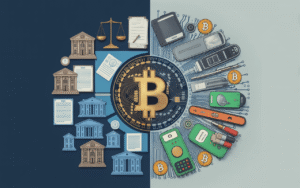
The post stresses the big split: hot wallets versus cold ones. Hot ones stay connected for quick moves—perfect if you’re trading often. Cold storage keeps everything offline, which is clutch for bigger stacks you plan to sit on.
They highlight stuff like:
- Encryption strength and two-factor setups for software wallets.
- Seed phrase backups and build quality for hardware.
- Support for multiple coins, since most people aren’t just holding BTC anymore.
It’s the kind of rundown that saves headaches. For context, industry reports still show billions lost yearly to hacks or user slip-ups, even as the space matures.
Here’s a quick side-by-side I pulled together from current recommendations, echoing what the site touches on:
| Aspect | Hot Wallets (Software) | Cold Wallets (Hardware) |
|---|---|---|
| Internet Connection | Always linked up | Mostly offline, occasional connect |
| Ease of Use | Super simple for daily stuff | Takes a minute more for transfers |
| Security Against Hacks | Decent, but exposed to online risks | Way tougher for remote attacks |
| Typical Price | Free or cheap | $60 to $250 depending on features |
| Top Picks in 2026 | MetaMask, Coinbase Wallet, Exodus | Ledger Nano S Plus, Trezor Safe 3 |
| Ideal Scenario | Active trading, small amounts | Long-term savings, larger portfolios |
Sources like CoinDesk for live prices and Forbes’ wallet rankings back up the leaders here. Ledger’s still dominating hardware with its secure chip and app ecosystem, while MetaMask rules for DeFi because it plugs right into browsers. The Gadgetfreeks.com guide nudges readers toward thinking about their own habits—do you trade weekly or buy and forget?
With Ethereum layer-2 fees dropping and more Americans using apps like Coinbase (which now has over 100 million verified users globally, a chunk in the States), picking the right wallet feels less intimidating when sites break it down like this.
Gaming Side: Free Tools That Actually Help Pick Usernames
Gaming ties right into tech these days, especially with blockchain stuff creeping in—think play-to-earn or NFT drops. U.S. gamers drop billions yearly, and a decent chunk overlaps with crypto holders.
Gadgetfreeks.com leans into this with a bunch of no-signup name generators for big titles. We’re talking Fortnite, Roblox, PUBG, League of Legends, Dota 2, even Counter-Strike. You punch in a vibe or keyword, and it spits out options with flair—numbers, symbols, themed words, you name it.
A few examples from their tools:
| Game | Vibe They Target | Sample Names Generated |
|---|---|---|
| Fortnite | Aggressive, victory-focused | ApexSlayer87, BuildMasterX |
| Roblox | Fun, kid-friendly builds | RoboExplorer22, PixelAdventurer |
| PUBG | Survival, tactical | ZoneSniperPro, ChickenDinnerKing |
| League of Legends | Champion lore-inspired | VoidWalkerMage, RiftAssassin |
| Dota 2 | Epic, strategy-heavy | AncientDefender, CarryLegend2026 |
These save time when you’re starting fresh or rebranding. American players average serious hours weekly, and a catchy name sticks—especially if you’re streaming or in clans. The site also has posts tying games to broader trends, like how franchises spill into movies or even themed online slots.
Wider Tech Coverage: From Hardware to Everyday Hacks
The blog doesn’t stop at crypto or games. Recent stuff dives into how gadgets shape entertainment—like better screens and sensors making streaming smoother. One post compares Wi-Fi versus Ethernet for lag-free sports watching, which hits home if you’re cutting cable (plenty of us are, with cord-cutting up big in the States).
They’ve got takes on 3D printing for real-world uses, custom training platforms for companies, and even anti-money-laundering tech in blockchain—relevant as U.S. rules tighten.
A newer article from mid-January talks future gadgets in online spaces, nodding to things like casino tech insights. It’s eclectic, but that mix keeps it fresh.
How It Fits for American Readers Navigating 2026 Trends
Here in the U.S., we deal with patchy state rules on crypto, IRS tracking every trade, and a flood of info sources. Blogs like this cut the clutter—free tools, quick reads, no paywalls pushing premium nonsense.
Traffic to these niche spots has climbed as people want alternatives to big media. With Bitcoin ETFs pulling in record inflows last year and stablecoins handling real payments, practical guides matter more.
Hardware wallet demand’s spiking too—sales projections show steady growth as self-custody beats leaving coins on exchanges.
The site’s mobile-friendly setup works if you’re checking on the go, and posts load fast without ads overwhelming everything.
Blending Interests in a Fragmented Digital World at Gadgetfreeks.com
Tech platforms keep evolving, and independent ones fill gaps by zeroing in on specifics. Need a wallet comparison during a market dip? Username ideas before jumping into a new season? Tips on streaming sports legally or gadget picks for better setups?
That’s the draw. As adoption pushes past 560 million users worldwide (with the U.S. leading per capita in many metrics), resources blending crypto security with gaming fun and gadget smarts feel timely.
In a year where prices fluctuate but underlying tech strengthens—faster networks, better hardware, clearer policies—these spots help regular folks stay in the loop without overload.