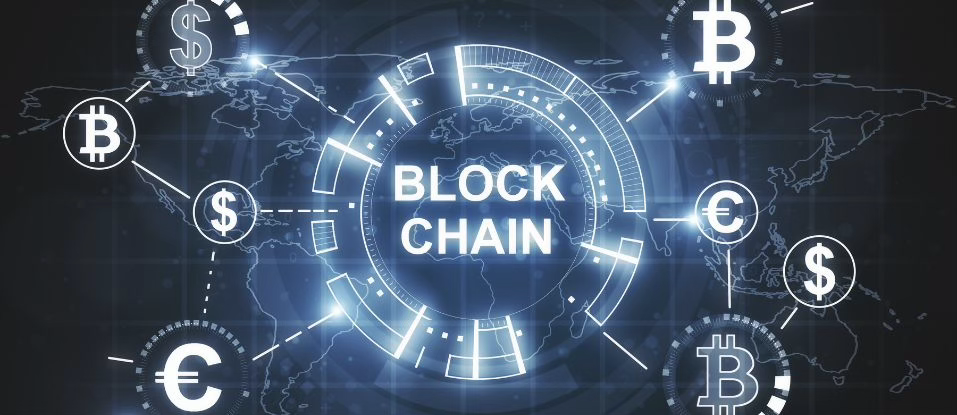
The online poker world, already complex and fast-moving, is in the midst of a major transformation. Blockchain infrastructure now seeps into nearly every major digital poker innovation, delivering fast settlements, cutting out middlemen, and amping up accountability. There’s momentum: more than 200,000 players loaded their poker accounts with crypto coins in 2023, a leap that reflects growing interest rather than a passing trend.
Virtual assets, even one-off NFTs, are shifting beyond novelties and turning into real, traceable property for players. By 2024, industry turnover edged past $5.3 billion, and projections say this growth will continue. Figures above $11 billion are possible by 2030. Clearer rules and mobile-native tech stack the deck for further growth. At the center of all this? Blockchain’s quietly powerful foundation.
Transparency and Game Integrity with Blockchain
There’s no more room for shadowy dealing when blockchain ledgers are in play. Every hand, bet, or loss is recorded, timestamped, and locked into an un-editable database. Anyone, regulator or player, can verify the lineage of each transaction. Online poker platforms use this transparency to eliminate doubts over fairness and randomization. Industry analyses note that earlier concerns about “black box” dealing and operator manipulation are increasingly addressed through provably fair gaming systems.
Smart contracts kick in to automate things, splitting pots, doling out prizes, even settling disputes, so manual tweaks fade to the background. As oversight becomes hardwired into the system, compliance feels more like a built-in feature than an afterthought. Operators, for their part, find it easier to show they’re abiding by international gaming rules. In effect, blockchain’s turned the tables: it’s no longer a matter of trusting the site, but trusting the code.
Cryptocurrency Payments and Player Access
Players no longer wait for bank wires to clear; crypto deposits and withdrawals now happen at lightning speed. Gone, too, are the hefty fees that used to chip away at returns, many reports suggest overall costs have fallen by up to three-quarters. For players from Brazil, Canada, or Southeast Asia, getting in the game isn’t hampered by tough exchange rates or blocked payments anymore.
Anonymity holds strong, thanks to encrypted wallet addresses, although required checks remain in place for regulators. Compared with a year prior, the number of poker players turning to cryptocurrency jumped by about 40% in 2023. From Bitcoin and litecoin to a growing list of other tokens, both dedicated crypto sites and hybrids accept them now, making them standard fare. Holding both digital and fiat wallets finally gives users the choice they were after.
NFTs and Digital Asset Ownership in Poker
Non-fungible tokens are changing how digital assets live and breathe in poker environments. Each NFT brings its own identity: origin, ownership, rarity, easily checked on the blockchain. Players can trade or sell tournament passes, special avatars, or ultra-rare tableskins, and operators often benefit whenever items change hands, sometimes pulling 5 – 10% in royalties.
The advantages stretch across platforms: own an NFT in one room, and it could unlock recognition somewhere else. So, digital goods, once fleeting and disposable, become tradable, lasting property. Some sites hand out NFTs as tournament entry tickets or to unlock custom branding, allowing players a degree of ownership that simply wasn’t possible in the earlier digital age.
Decentralization and the Rise of Autonomous Poker Hubs
A newer shift: truly decentralized poker platforms. Here, game rules, payouts, and fairness don’t rest with a faceless company; they’re held in open-source smart contracts, with the player base validating outcomes. Online poker fans get unprecedented control; users can even vote on how platform rules evolve.
Self-custody, peer-to-peer payments, and community-enforced transparency make these ecosystems tough to compromise. Sidestepping old-school licensing headaches means more people can participate, even where regulations would normally block access. There is early movement toward side bets, prediction markets, and AI-assisted play within these setups, suggesting much more change ahead.
Responsible Gaming and Player Safety
Opportunity expands with blockchain, but so do risks. Keeping gambling responsible is vital. Public ledgers help players track their habits; smart contracts bring rapid deposit limits, alerts, and exclusion mechanisms. AI watches for troubling trends, guiding those at risk to appropriate help. Yet human oversight, private, careful, and informed, remains as necessary as ever. These extra safety net features deserve the spotlight as the future of digital poker unfolds.